
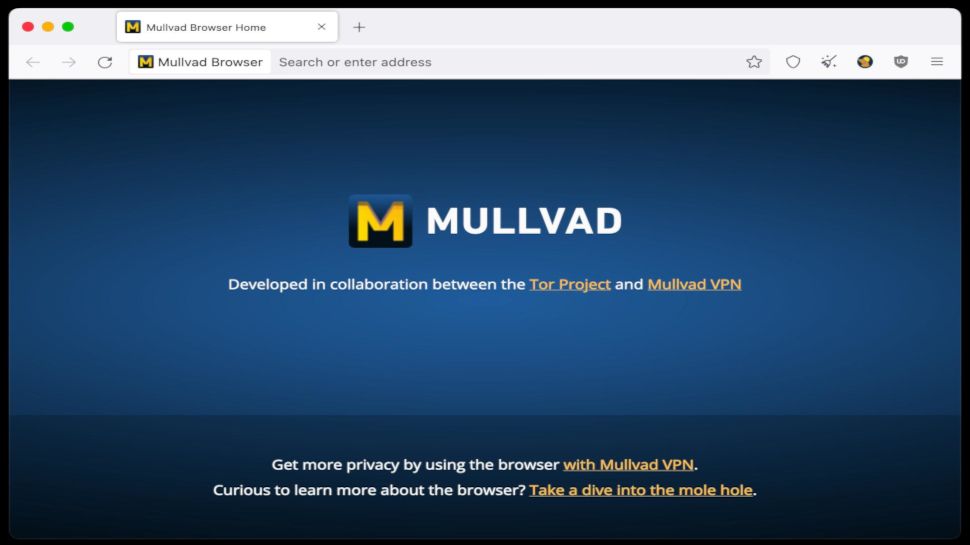
- Mullvad Browser Alpha has transitioned to the Firefox Rapid channel
- The switch provides faster access to functions
- The alpha version is now available on Linux ARM devices
Mullvad Browser early testers will now receive updates every four weeks as the latest alpha version of the interface has moved to the Firefox Rapid Release channel.
This move provides a dual benefit, giving testers faster access to new features while allowing Mullvad’s developers to smooth out the release schedule.
As it approaches its third anniversary, The Mullvad browser, which has one of the best VPNs in the market, is now also available on Linux ARM devices, further increasing its user accessibility.
The article continues below
A more balanced approach
Launched in April 2023, Mullvad Browser is an alternative private browser developed in collaboration with the Tor Project team that offers the privacy and security of the Tor front end combined with all the benefits of a Mullvad VPN.
Its features include anti-fingerprint protection, default blocking of trackers during private browsing, and no telemetry for maximum privacy.
It is a fork of Firefox, which means that Mullvad’s developers must constantly update the browser to include all the latest security fixes and features provided by Mozilla.
Until now, the browser has followed a long and slow update cycle known as ESR (Extended Support Release), which involves releasing major updates about once a year.
Starting with the 16.0a1 alpha release, Mullvad Browser Alpha is based on the Firefox Rapid Release channel instead of the Extended Support Release (ESR). The alpha release is now available on Linux ARM. Read more here: https://t.co/ngaSJScRIeMarch 26, 2026
With the latest alpha release switching to Firefox’s faster development cycle, the Firefox code updates will be sent to the Mullvad alpha team every four weeks.
The result? Mullvad’s developers will be able to update their own code faster and spread the work steadily throughout the year, rather than having to deal with a huge and stressful workload concentrated in a single major annual update.
Great for testers
The alpha cycle is the first of two interrelated cycles – alpha and beta – that the Mullvad browser is constantly running. Only when the bugs in the beta version have been fixed is the code considered ready to move on to the final stable phase.
The change is particularly welcomed by alpha testers – those who evaluate the browser’s development in its very early stages, identify bugs and suggest improvements to optimize the final user experience – which allows them to test updates about once a month.
However, these testers also face greater risks and the possibility of bugs, crashes, and a potentially lower level of privacy and security since not all bugs have been fixed yet. However, new functions usually aim to increase security, so this does not necessarily mean that the system as a whole will be ‘less secure’.
Nevertheless, the change may prove to be a mixed blessing. Previously, the slower release cycle meant that the same version could be used for months, allowing for more gradual analysis and more time to review versions between updates.
Now, however, there may be a risk that new versions will be released before all existing bugs have been fixed. Mole wad actually noted that a faster cadence means it can actually take longer than four weeks between planned releases to implement fixes.
Meanwhile, the stable channel – the most secure, ultimate version recommended for a wider user base – will continue to be based on Firefox ESR.
This means users will wait longer for new features, but achieve maximum and fully revised stability and security: a wait worth a safe and lasting digital life.
Follow TechRadar on Google News and add us as a preferred source to get our expert news, reviews and opinions in your feeds. Be sure to click the Follow button!


